



Have you ever wondered if a dental crown could solve your tooth problem? A tooth in a fracture or decay might cause more than just pain. It could affect your entire oral health. Dental crowns are a great solution that not only restores your great smile but also protects your teeth from further damage.
Whether the internal structure of your tooth is weakened by decay, fracture, or wear, crowns can provide the protection and aesthetic improvement it needs. In this blog, we explore five signs that may indicate it’s time for a dental crown.
What is a Dental Crown?
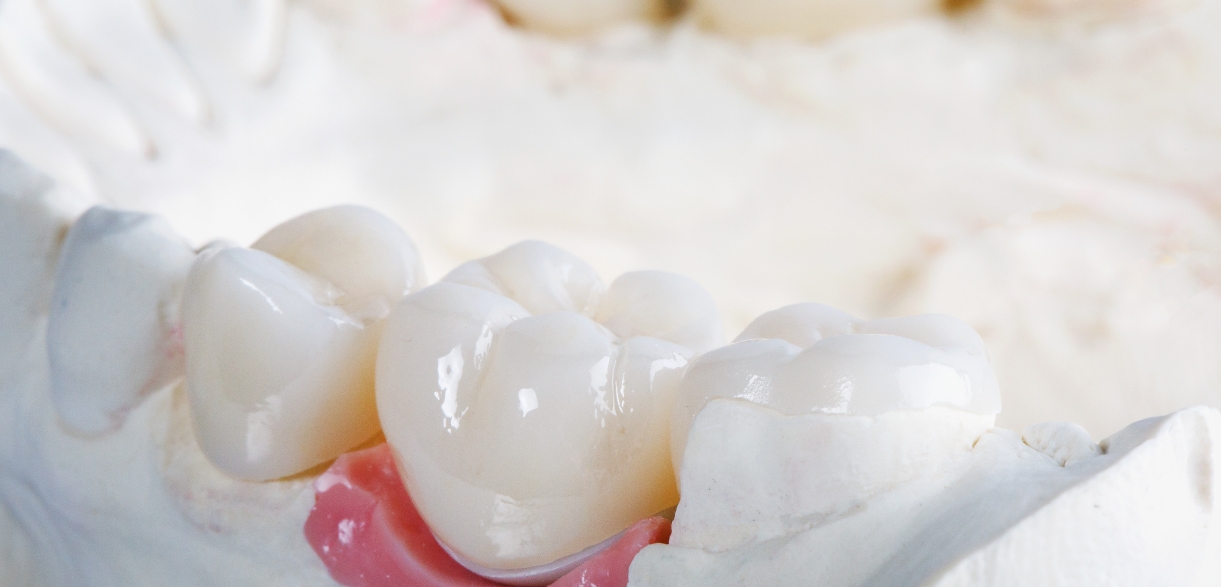
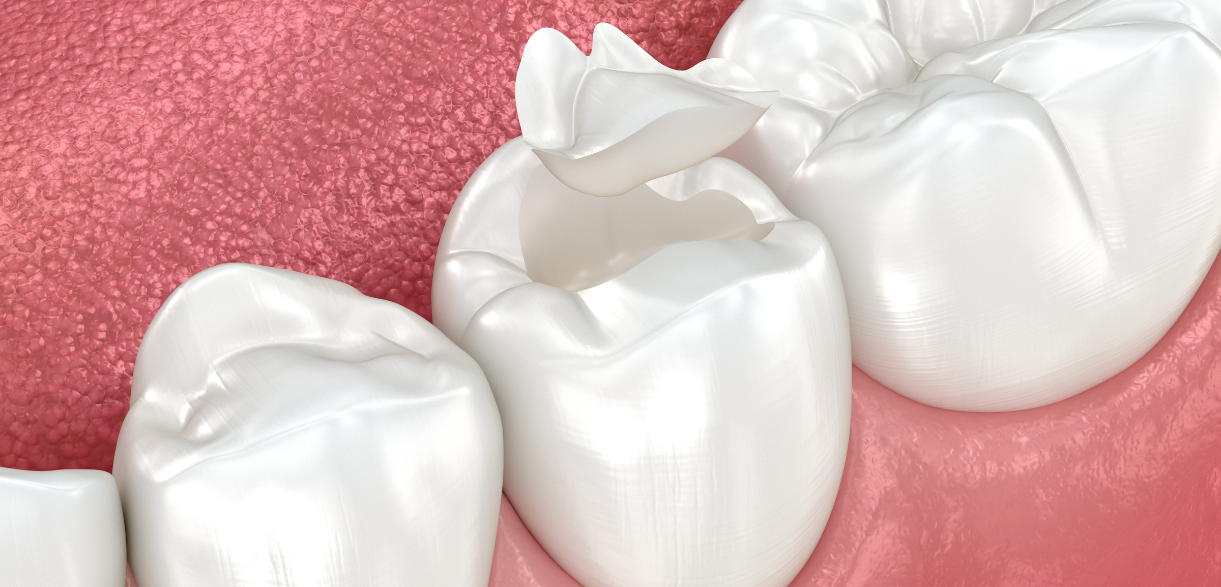
A dental crown is a tooth-shaped cap placed over the top of a damaged or weakened tooth. It has the effect of restoring the tooth’s strength, shape, and functionality to meld perfectly with your natural teeth.
Crowns are commonly applied after a root canal, covering a large filling, or protecting a fractured tooth. They are fabricated from materials such as porcelain, ceramic, or metal, depending on the location in the mouth where the tooth will be placed and the desired aesthetic outcome.
5 Signs You Might Need a Dental Crown
Sign #1: Your tooth is either cracked or fractured.
If left unaddressed, tooth cracks will only worsen with time, potentially causing more distressing pain or infection. Dental crowns in Cambridge stabilize the tooth, preventing further damage and discomfort.
Sign #2: You’ve Had a Root Canal
Following a root canal, the tooth is more fragile and liable to fracture. Such a tooth requires a dental crown to protect it from fractures.
Sign #3: Your tooth is severely decayed or worn down.
So, when caries have destroyed a substantial part of the tooth structure, a dental crown may restore its function and prevent further decline. Teeth worn out by grinding or with age can be preserved by covering them with a crown.
Sign #4: Your Tooth Has a Large Filling
Large fillings compromise the structure of the tooth and make it weak, thus more prone to cracks. The dental crown offers strength and durability, enabling the tooth to last longer.
Sign #5: You’re Looking for Aesthetic Improvement
A discolored or misshapen tooth can affect the appearance of your smile. Porcelain or ceramic crowns are perfect for improving the appearance of your teeth and keeping an all-natural look and feel.
How a Dental Crown Can Benefit You
Dental crowns in Cambridge have numerous advantages. They reinstate the chewing function by allowing you to bite and chew without discomfort. A crown protects your tooth from further damage, while it also improves its appearance.
Porcelain crowns are the most in demand due to their natural look, matching the surrounding teeth. With proper care, dental crowns may last for many years, offering both durability and aesthetic improvement.
5. What to Expect During a Dental Crown Procedure
It starts with consulting, where your dentist will diagnose the condition of your tooth. Following preparation of your tooth, impressions are made to have a perfect fit for a crown. The custom crown is positioned on top of your tooth, which enhances both its functionality and appearance.
Following the procedure, follow your dentist’s care instructions, including regular checkups and good oral hygiene, to ensure the longevity of the crown.
If you find any of these signs in your case, then a dental crown may be the solution for you. From safeguarding a cracked tooth to a brightening smile, there are tremendous uses that dental crowns serve.
If you think any of the foregoing issues concern you, reach out to our dental office today to book an appointment and discover if a dental crown is meant for you!
FAQs
Can I get a crown on a missing tooth?
A crown can be placed on a dental implant to replace a missing tooth, but it cannot be placed on an empty socket.
How do dental crowns help with tooth sensitivity?
Crowns can protect the tooth from external factors that trigger sensitivity, such as hot, cold, or sugary foods.
Can a crown fall off?
Though rare, a crown can come off due to decay, wear, or improper fit. If this happens, see your dentist for reattachment.
What should I avoid after getting a dental crown?
Avoid hard foods, sticky candies, and chewing ice during the first few days to prevent damage to your crown.
Can I get a crown after a root canal?
Yes, a crown is often placed after a root canal to protect and strengthen the tooth.