



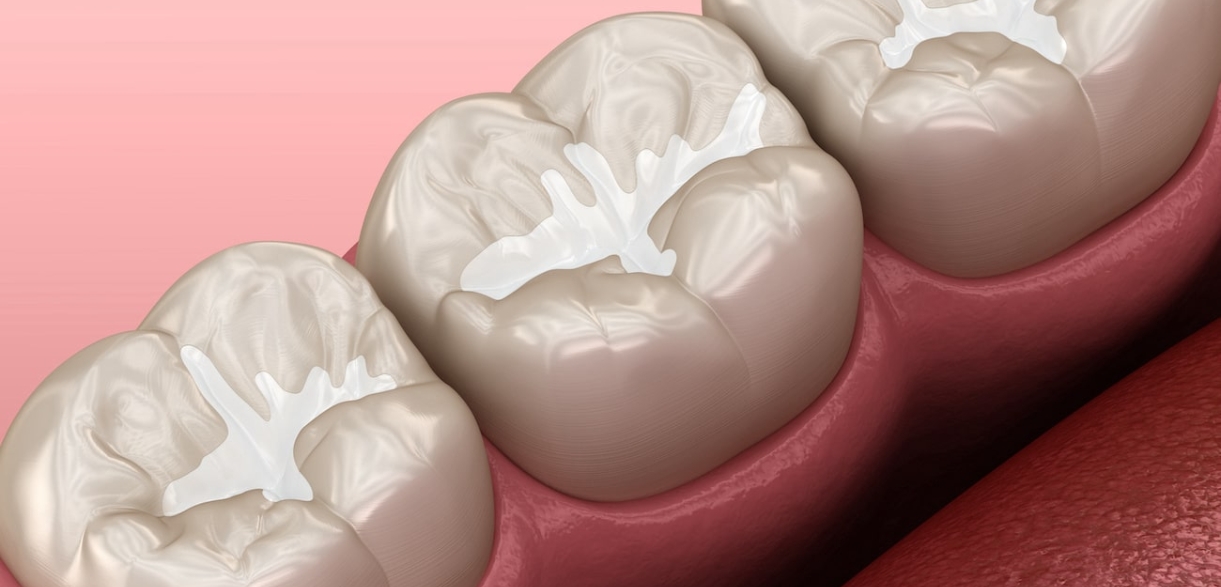
White fillings, also known as composite fillings, are a popular choice for dental restorations. Unlike traditional metal fillings, white fillings blend seamlessly with the natural color of your teeth, making them ideal for visible areas. The primary advantage is their aesthetic appeal, as they match the shade of your teeth, giving a more natural and beautiful smile.
Additionally, white fillings require less tooth removal during the procedure, preserving more natural tooth structure. This blog will explore the step-by-step process of getting white fillings, highlighting each stage of the procedure and what to expect at every step.
What Are White Fillings?
White fillings are made from composite resins, which are a mixture of plastic and fine glass particles. This material provides a durable, flexible, and tooth-colored restoration option. Unlike traditional silver amalgam fillings, which stand out against the teeth, white fillings blend perfectly, making them ideal for restoring cavities in visible areas, like the front teeth.
One of the significant benefits of white fillings is their ability to bond directly to the tooth structure. This bond helps strengthen the tooth and prevents further damage. The composite material is molded to match the natural contours of the tooth, providing a seamless fit.
White fillings are also highly durable, especially for smaller cavities, and can withstand normal chewing forces. They are an excellent choice for patients who prioritize aesthetics and function in their dental treatments.
Additionally, because the material doesn’t expand and contract with temperature changes like metal fillings, white fillings are less likely to cause cracks or leaks in the tooth.
When Are White Fillings Needed?
White fillings are recommended for various dental issues, including cavities, cracked or chipped teeth, and for cosmetic reasons. When a tooth has a cavity, the dentist will remove the decayed portion and restore it with a filling. White fillings are particularly beneficial when cavities are in visible areas, such as the front teeth, as they mimic the natural color of teeth and are virtually invisible.
In addition to cavities, white fillings can be used to repair chipped teeth or to improve the appearance of worn or stained teeth. Many people opt for white fillings as a cosmetic procedure to enhance the smile’s overall appearance.
Your dentist will assess whether a white filling is suitable for you based on the size and location of the cavity. Metal fillings might be a better option for larger cavities or teeth under heavy pressure (such as molars) due to their strength and durability. During your consultation, your dentist will discuss your needs, and together, you can decide on the best material for your restoration.
Steps to Get White Fillings
Step 1: Consultation and Diagnosis
The process begins with a thorough dental examination. During this step, your dentist will take X-rays to assess the extent of the decay or damage in your teeth. They will check for cavities, cracks, or chips and evaluate the best way to proceed with your treatment.
If a filling is necessary, your dentist will discuss the options with you, including white versus silver fillings. The goal is to choose the best material based on the location and size of the cavity, as well as your aesthetic preferences.
Step 2: Preparation of the Tooth
Once you’ve decided on the filling material, the next step is preparing the tooth. The dentist will clean the cavity by removing any decayed or damaged tissue, ensuring the area is free from bacteria and other debris.
After cleaning, your dentist will ensure the tooth’s surface is dry and clean to help the filling adhere properly. If necessary, a local anesthetic will be applied to numb the area, ensuring you remain comfortable throughout the procedure.
Step 3: Application of the White Filling
After preparing the tooth, your dentist will begin applying the white filling. The composite resin material is applied in layers, with each layer being hardened using a special curing light. This step ensures that each layer bonds securely to the tooth.
Your dentist will mold and shape the filling to match the natural contours of your tooth. The resin is also customized to match the color of your teeth, giving a seamless, natural look.
Step 4: Shaping and Polishing
Once the filling has been applied and hardened, your dentist will shape it to ensure it fits comfortably with the surrounding teeth. The goal is to make sure that the filling does not affect your bite or cause discomfort.
Once the shape is perfect, the filling will be polished to a smooth finish, blending in perfectly with the natural tooth surface. The dentist will check your bite to ensure everything feels natural and balanced.
Step 5: Final Adjustments and Aftercare
After completing the filling, your dentist will perform final checks to ensure the filling feels comfortable in your mouth. If any adjustments are needed, they will make them at this stage. After the procedure, you may experience some temporary sensitivity to hot or cold, but this should subside in a few days.
Following your dentist’s aftercare instructions is essential, including avoiding hard or sticky foods and maintaining good oral hygiene. Proper care will help extend the longevity of your filling.
How Long Do White Fillings Last?
The lifespan of white fillings varies depending on several factors, including oral hygiene habits, diet, and the amount of pressure the filling is under. On average, white fillings can last between 5 and 10 years. Proper care, such as brushing twice a day, flossing regularly, and visiting your dentist for checkups, can help extend the life of your fillings.
Factors like teeth grinding, consuming acidic or staining foods, and poor dental hygiene can shorten the life of white fillings. If your filling shows signs of wear, such as chips, cracks, or staining, it’s important to visit your dentist for evaluation. In some cases, a filling may need to be replaced or repaired.
Consulting with our dentists is essential in determining whether white fillings are the right option for you. We offer several benefits, including a natural appearance, less tooth removal, and excellent durability. White fillings are perfect for those looking for a cosmetic dental restoration that blends seamlessly with their smile.
If you believe you may need a filling, schedule a consultation with our dentists to discuss your options and take the first step toward a healthier, more beautiful smile.