



Having tooth pain after a crown is more common than you might think. The discomfort or sensitivity you may have felt around a dental crown can be a harbinger of an underlying problem. The opposite is true with crowns. Instead of offering further protection for a damaged tooth, sometimes they can mask problems that weren’t completely fixed in the first place. Sometimes, the tooth underneath the crown becomes infected or damaged and causing pain.
That’s what this blog will explain: how root canal treatment can save your tooth- yes, even the one that already has a crown on it.
Why does a crown cause pain?
Pain around a crown can be the result of a few causes. The most prevalent is tooth decay underneath the crown. If the original tooth wasn’t sealed properly, or if there is tooth decay around the edges of the crown, then an infection could form.
Trauma to the tooth or the crown itself can also be a cause of pain. If you feel pain while chewing or sensitivity to hot and cold on that tooth, it may indicate an affected tooth beneath your crown. You will need to get this looked at to ensure further damage does not occur and to maintain your tooth in a healthy condition.
How a Root Canal Can Help
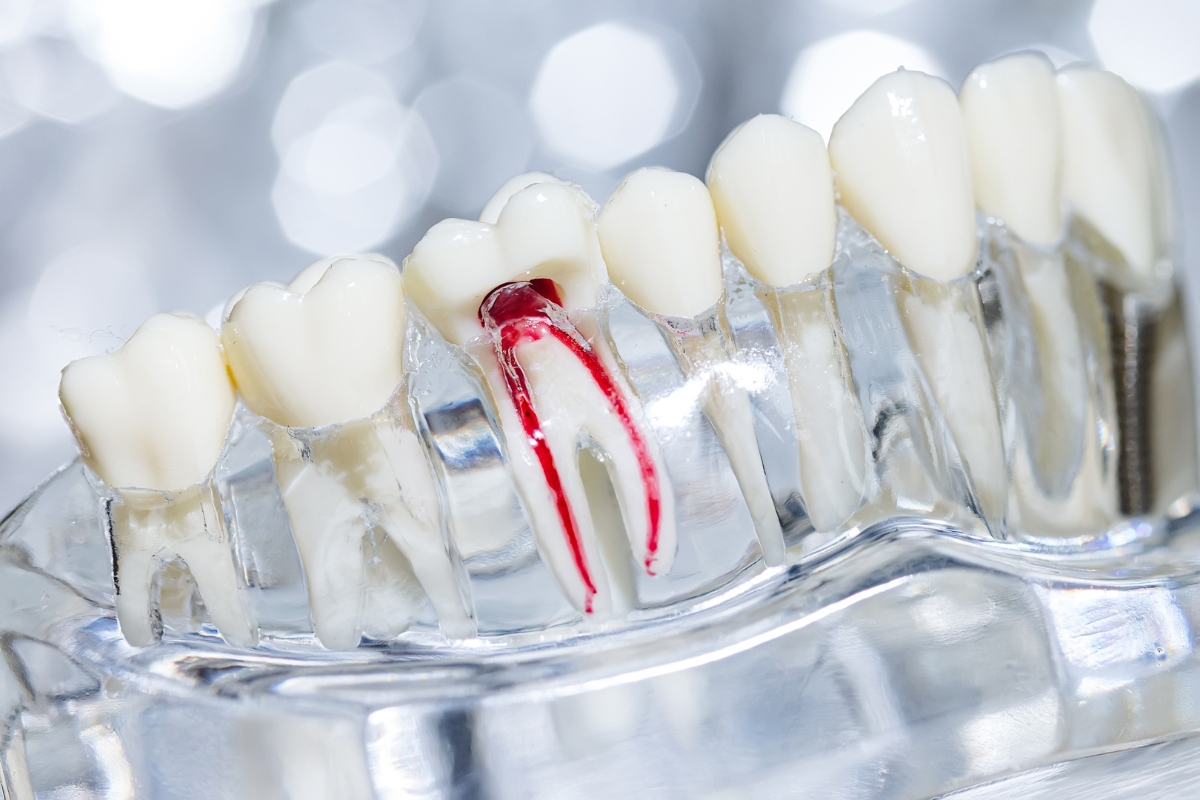
A root canal treatment in Cambridge is done to save an infected or highly damaged tooth. The treatment consists of the removal of the infected or damaged pulp from inside the tooth, cleaning, and sealing of the tooth to prevent subsequent infection. Even if a crown is already in place, a root canal may be necessary if the underlying tooth becomes infected.
The procedure may require one or two visits, depending on the severity of the infection. With a root canal treatment, your tooth can be preserved, and your crown can be saved or replaced as needed.
Can a root canal save a tooth that already has a crown?
Yes, a root canal can save a tooth that already has a crown. If there is an infection in the tooth underneath, a root canal will eliminate such an infection and restore the health of the tooth. This helps in maintaining the structure of the tooth to avoid extraction.
A root canal, compared to extraction, is generally the better long-term choice. After the procedure, the crown can often be reattached or replaced, and thus, it is a convenient and effective way to save your tooth and maintain your smile.
What Happens After a Root Canal?
Following root canal treatment in Cambridge, some patients may have some discomfort, which typically goes away after a few days. This can be managed with over-the-counter pain medications. The tooth will be sensitive, particularly to pressure, but this should last only for a short period of time.
Follow-up visits are important in making sure that the tooth has properly healed and that it is fully restored. It is crucial not to chew directly on the treated tooth until your dentist gives you the green light. With proper care, the tooth and crown can last for many years.
When to See a Dentist
If you encounter lingering pain or swelling around your crown, it may be time to consider a root canal treatment. Other warning signs include prolonged sensitivity to hot or cold, discomfort when chewing, or if the crown feels loose.
Don’t wait for the pain to worsen. By addressing this early, you may avoid the need for extended treatment, such as tooth extraction. If you’re not sure whether you need a root canal, make an appointment with your dentist for an assessment.
Generally speaking, pain around a crown may indicate that something is wrong with the crowned tooth. A root canal will help you to save your tooth even after a crown has been installed. It’s a safe and effective treatment for infection or damage inside your tooth, allowing you to keep your natural tooth.
Don’t neglect warning signs. If you’re feeling discomfort, schedule a consultation today to learn how a root canal treatment can save your tooth and restore your smile.