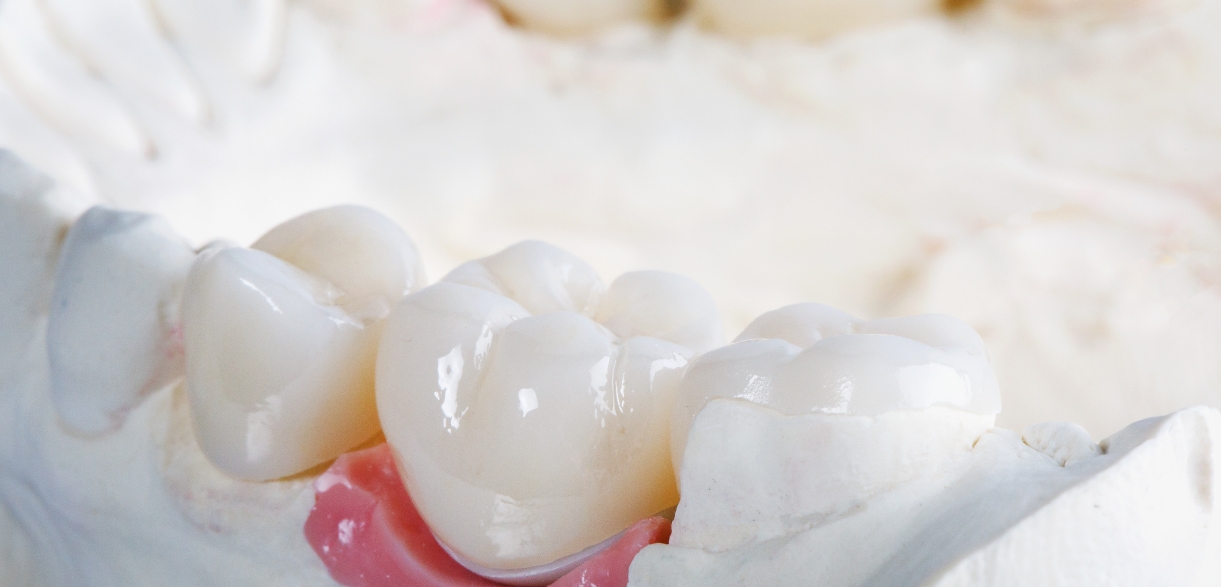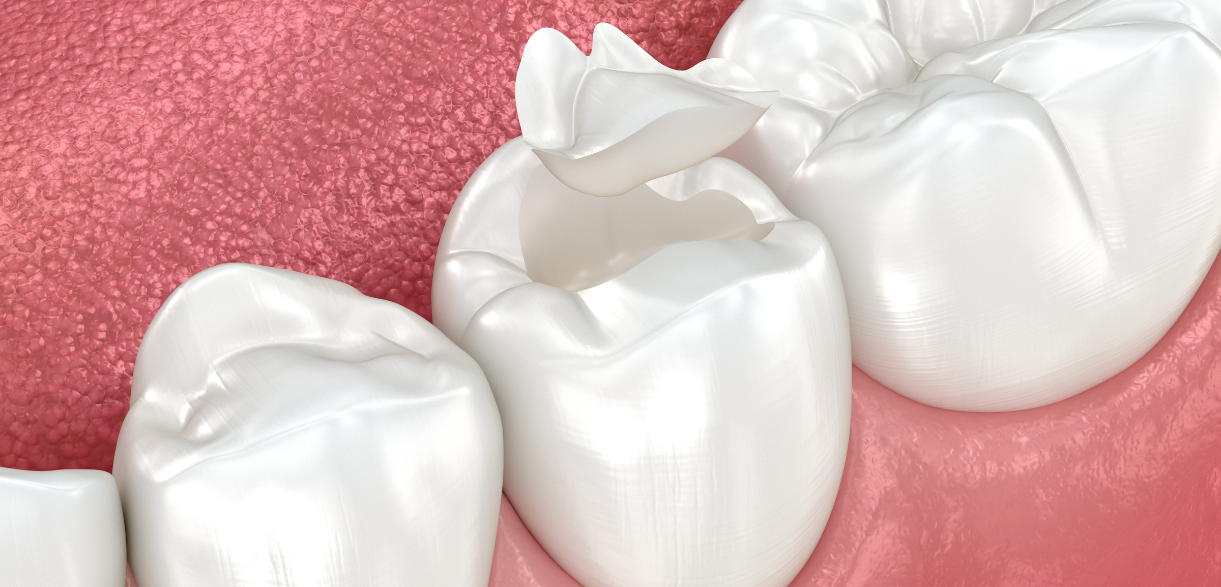




Dental crowns are a common restorative treatment used to strengthen and protect damaged teeth. They are essentially caps that fit over the top of a tooth, restoring its shape, size, and function. Dental crowns come in a variety of forms, and each has special benefits and drawbacks. This comprehensive guide will delve into the three primary types of dental crowns and help you understand which one is best suited to your specific needs.
1. Full Cast Crowns
Full cast crowns are the most traditional type of dental crown. They are made from a single piece of metal, typically gold, silver, or a metal alloy. Full cast crowns are known for their durability and longevity, making them an excellent choice for teeth that require significant restoration. They are also highly resistant to wear and tear, ensuring that they will last for many years.
Advantages of Full Cast Crowns:
- Durability: Full cast crowns are extremely strong and long-lasting.
- Resistance to wear and tear: They can withstand the forces of chewing and biting without suffering damage.
- Natural appearance: Full-cast crowns can be made to match the color and shape of your natural teeth.
- Biocompatibility: They are generally well-tolerated by the body and do not cause any allergic reactions.
Disadvantages of Full Cast Crowns:
- Cost: Full-cast crowns can be more expensive than other types of crowns.
- Metal appearance: They may not be the most aesthetically pleasing option, especially if you have visible teeth.
- Preparation: They require significant tooth preparation, which can sometimes lead to sensitivity.
2. Porcelain-Fused-to-Metal (PFM) Crowns
Porcelain-fused-to-metal (PFM) crowns are a popular choice for patients who desire a more natural-looking restoration. They consist of a metal base that is covered in a layer of porcelain. This blend offers visual appeal as well as strength. PFM crowns are often used to restore teeth in the front of the mouth, where appearance is a major concern.
Advantages of PFM Crowns:
- Natural appearance: The porcelain layer can be matched to the color and shade of your natural teeth.
- Strength: The metal base provides durability and resistance to wear and tear.
- Versatility: PFM crowns can be used to restore teeth in both the front and back of the mouth.
Disadvantages of PFM Crowns:
- Cost: PFM crowns are generally more expensive than full-cast crowns.
- Metal margin: The metal base may show at the gum line, which can be aesthetically unappealing.
- Sensitivity: Some patients may experience sensitivity after PFM crowns are placed.
3. All-Porcelain Crowns
All-porcelain crowns are a completely metal-free option that offers a highly aesthetic restoration. They are made entirely from porcelain, which allows for a more natural-looking result. All-porcelain crowns are particularly suitable for patients who have allergies to metals or who desire a completely metal-free restoration.
Advantages of All-Porcelain Crowns:
- Natural appearance: All-porcelain crowns can be made to perfectly match the color and translucency of your natural teeth.
- Metal-free: They are a great option for patients with metal allergies.
- Aesthetic appeal: They offer a highly natural-looking restoration, especially in the front of the mouth.
Disadvantages of All-Porcelain Crowns:
- Cost: All-porcelain crowns are the most expensive type of dental crown.
- Strength: They may not be as strong as full cast or PFM crowns, especially in cases of high bite forces.
- Preparation: They may require more tooth preparation than other types of crowns.
Choosing the Right Dental Crown
The best type of dental crown for you will depend on several factors, including your specific needs, budget, and aesthetic preferences. Your dentist in Cambridge will be able to evaluate your situation and recommend the most appropriate crown based on your individual circumstances.
Considerations for Dental Crown Selection:
- Cost: Consider your budget and the cost of each type of crown.
- Appearance: Think about how important the appearance of your restoration is to you.
- Strength: If you have a high bite force or a history of tooth grinding, you may need a stronger crown.
- Allergies: If you have allergies to metals, an all-porcelain crown may be the best option.
Dental crowns are a valuable restorative treatment that can help to strengthen and protect damaged teeth. By understanding the different types of dental crowns available, you can make an informed decision about which one is best suited to your needs. Your dentist can provide you with more information and help you choose the crown that will give you the best possible results.