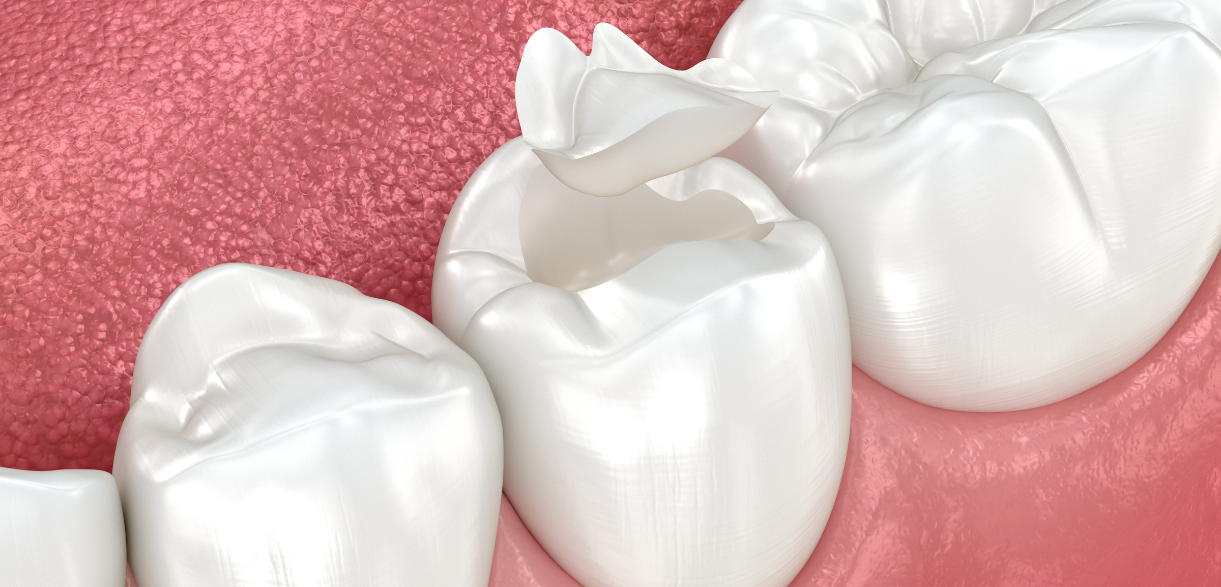



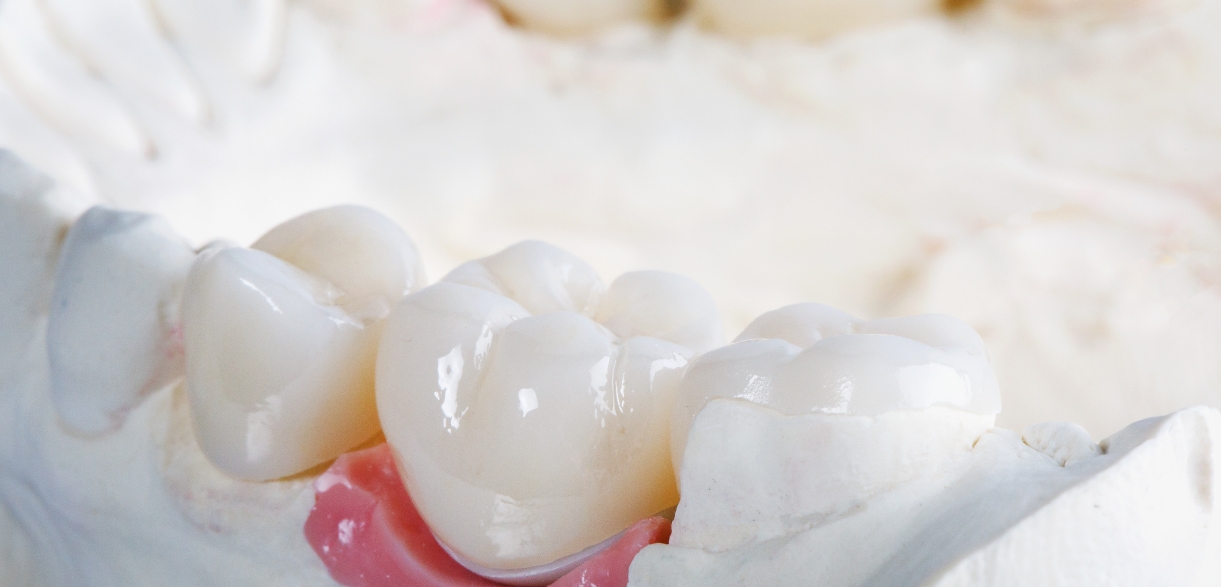
Dental crowns are one of the most popular restorative dental tools used for repairing damaged teeth. Apart from providing the necessary support, it also restores functionality and improves appearance.
Are you worried about the durability of dental crowns? They are highly durable but not indestructible. Now comes the most common question: How Long Do Dental Crowns Last? Several factors can impact the exact lifespan of crowns. Personal care and professional checkups are two essential aspects that can help extend their longevity.
You will be excited to know that smart dental care and following the dentist’s guidelines can even make crowns last more than 15 years. Know how to extend the life of your crowns and make your investment worthy.
Maintain Excellent Oral Hygiene
The golden rule is to treat crowns just as you would your natural teeth. You should never skip brushing and flossing following the dentistry guidelines. Dental crowns may not decay, but the tooth underneath is still damaged and remains vulnerable to decay. Always be extra careful while cleaning the gumline, as it becomes the entry point for germs and bacteria. Smart toothbrushes can help ensure efficient cleaning when used in conjunction with fluoride toothpaste. Using antibacterial mouthwashes is always a plus. Always remember to care for the natural tissues surrounding the artificial structure.
Avoid Hard And Sticky Foods
Dental crowns in Cambridge are generally highly durable, but cannot withstand everything and anything. Avoiding biting into hard surfaces with crowns is always a wise decision. Nuts, popcorn, hard candies, and even ice are everyday objects that you should strictly avoid. Biting into a hard object can lead to cracks on dental crowns. Sticky foods can pull out your crown and even dislodge it completely. Do you want your crowns to last a long time? Treat them gently, just as you would your natural teeth.
Never Use Your Teeth As A Tool
Few people have this bad habit of biting their nails, opening bottles with their teeth, and even chewing pens. Eliminate this habit if you have. People also open the tags of clothes with their teeth, which can cause significant damage to dental crowns. Forget about crowns, these activities are never recommended by dentists, even with natural teeth. It might seem harmless, but it can even lead to permanent tooth loss. Following the basic guidelines can help you avoid dental emergencies and keep your crown in great shape.
Wear a Night Guard if You Grind Your Teeth
Teeth grinding (bruxism) puts significant pressure on crowns and natural teeth. Over time, this pressure can wear down or crack the crown. If you grind your teeth at night, your dentist may recommend a custom night guard to protect your smile while you sleep. Night guards protect dental crowns and reduce jaw tension. This leads to extending the life of any dental restorations.
Visit Your Dentist Regularly
Regular checkups and cleanings are essential for monitoring the health of your crown and the surrounding tooth structure. Your dentist can spot early signs of problems, such as gum recession, crown looseness, or decay beneath the crown. Visit your dentist at least once every six months. Dentists can always extend the lifespan of dental crowns by keeping them under their supervision.
Protect Your Crown, Preserve Your Smile
Dental crowns are a wise investment in your oral health — but like anything valuable, they need proper care to last. By practicing good oral hygiene, avoiding damaging habits, and visiting your dentist regularly, you can extend the life of your crown and maintain a healthy, confident smile.