
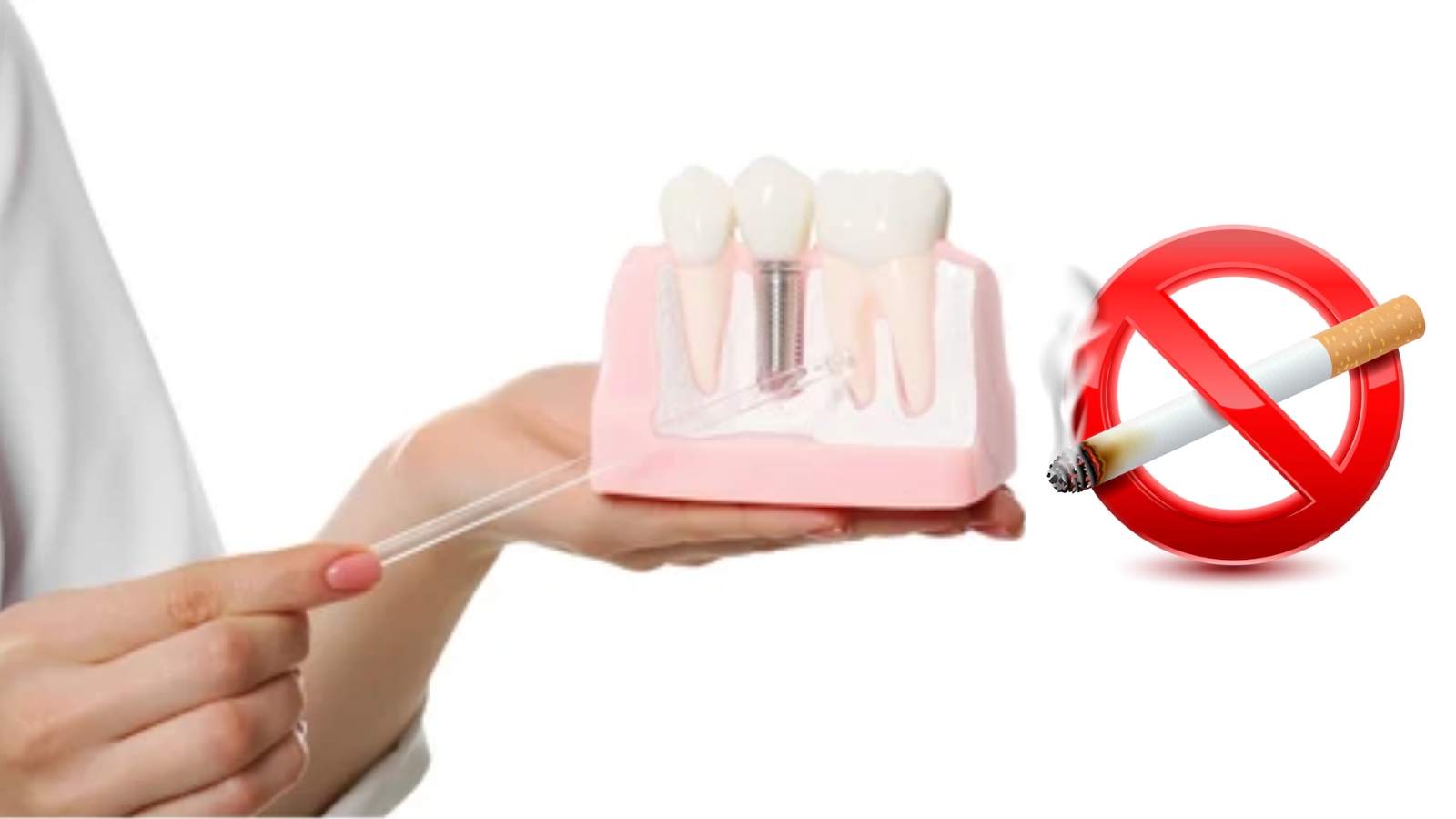
Dental implants solve one’s concern with missing teeth, providing a long-lasting solution. But smokers might be wondering when it’s safe to light up after surgery. While it’s understandable to have that urge, smoking after dental implants can significantly affect your healing process and the success of the procedure.
Let’s dive into why smoking is harmful post-surgery and what you can do to recover effectively.
Why Smoking After Dental Implants is Risky
Smoking isn’t just bad for your overall health—it’s especially harmful after you’ve had dental implants. Here’s why:
1. Reduced Blood Flow
Nicotine from cigarettes tightens blood vessels, which limits blood flow to your gums and the implant site. This reduced circulation can slow down healing and make it more likely for infections to occur.
2. Delayed Bone Healing
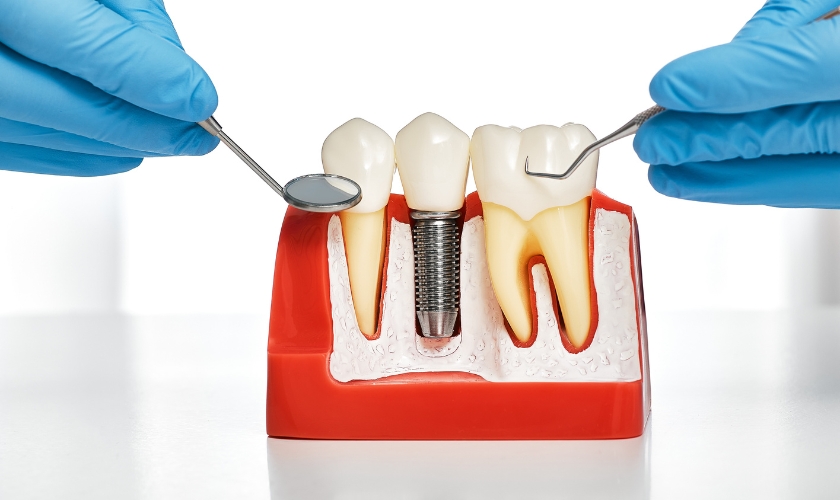
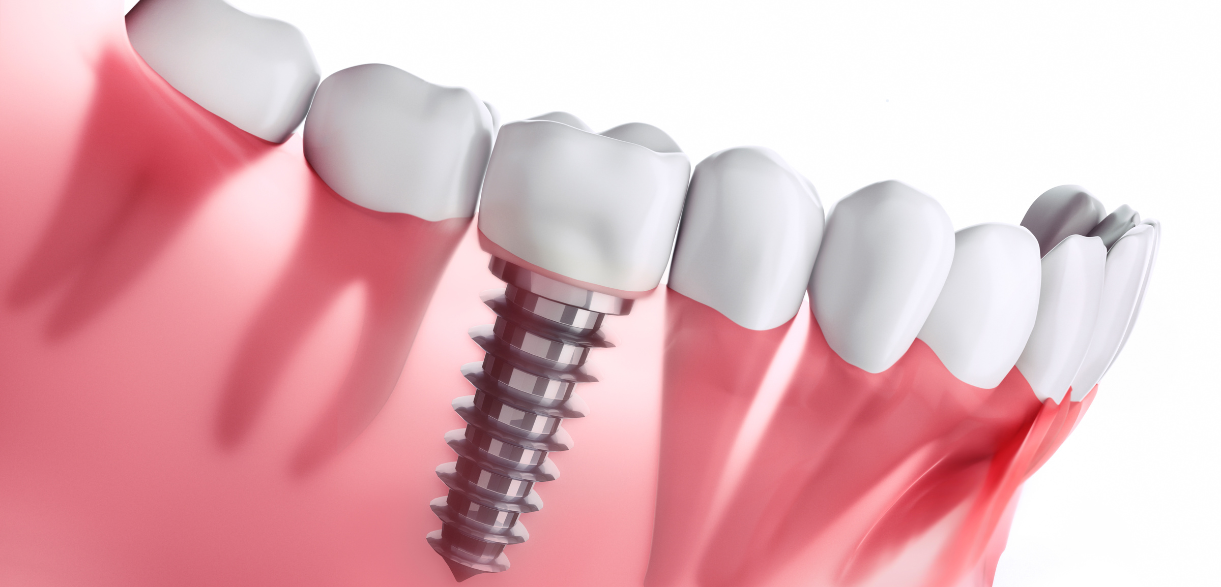
Dental implants rely on osseointegration, where the bone fuses with the implant. Smoking can interfere with this crucial step, leading to delayed healing or failure of the implant to anchor properly.
3. Increased Infection Risk
Smoking weakens the immune system, leaving your body more prone to infections like peri-implantitis, a severe condition that can compromise your implant. Untreated infections could lead to implant failure.
4. Implant Failure
With reduced blood flow, delayed bone healing, and increased infection risk, it’s not surprising that smokers face a much higher chance of implant failure. Simply put, smoking can undo the time, money, and effort you’ve invested in your dental implants.
Tips for Recovery After Dental Implant Surgery
Want to improve your chances of a smooth recovery after dental implants? Here are some tips to help you avoid complications—especially if you’re a smoker.
1. Stay Smoke-Free for At Least 3 Months
Smoking must be avoided for at least three months after the implant surgery. This time frame allows the implants to fuse with the bone and reduces the risk of dental complications. The longer you can hold off, the better!
2. Maintain Top-Notch Oral Hygiene
Your new implants need to be kept clean to avoid infection. Brush twice daily with a soft-bristled toothbrush, floss gently, and use an antibacterial mouthwash as your dentist recommends.
3. Watch Your Diet
Stick to softer foods in the weeks following surgery. Avoid anything crunchy or complex that could irritate the implant site. Smoothies, yogurt, and mashed potatoes are your friends during this time.
4. Take Medications as Prescribed
To your dentist to prevent infection and manage discomfort, take them exactly as directed.
5. Keep Up With Your Dental Appointments
Follow-up visits with your dentist are essential. They’ll monitor your healing and make sure everything is on track. If there’s a problem, catching it early can make all the difference.
6. Consider Quitting for Good
If you’re able, now might be the perfect time to quit smoking. Not only will your dental implants thank you, but your entire body will benefit. Many resources and support groups can help you quit smoking for good.
The Long-Term Effects of Smoking on Dental Implants
Even if your dental implant surgery goes smoothly, smoking can continue to cause issues down the road. Here are a couple of long-term risks to consider:
Peri-implantitis
This gum disease develops around dental implants and is more common in smokers. It can lead to bone loss and, eventually, implant failure if not addressed.
Cosmetic Concerns
Smoking can stain your teeth, including your new implants, and contribute to bad breath. This can negatively impact the appearance of your smile, even if the implants themselves are successful.
Overall Oral Health
Smoking increases your risk of other oral health problems like gum disease, tooth decay, and even oral cancer. All these issues can affect the health and longevity of your dental implants.
If you’re serious about protecting your dental implants, avoiding smoking—especially in the months following your surgery—is essential. While it may be tempting to reach for a cigarette after dental implants, the risks far outweigh the rewards. By following your dentist’s advice and making healthier choices, you can enjoy your new smile for years.
Consider using this recovery period as an opportunity to quit smoking for good. Not only will your implants thank you, but your overall health will thank you, too.
Frequently Asked Questions About Smoking and Dental Implants
Can I smoke after dental implants?
It’s strongly advised not to. Smoking, even occasionally, can delay healing and increase the risk of complications. Waiting at least three months is ideal, but quitting altogether is best.
How long does it take for dental implants to heal?
The complete healing process usually takes several months, as the bone needs time to integrate with the implant. Your dentist can provide more personalized guidance based on your case.
Can I smoke after the dental implant has healed?
Even after the healing process, smoking still poses risks. It can increase the chances of infections like peri-implantitis and affect your overall oral health. Limiting or quitting smoking is recommended for long-term success.
What are the signs of a problem with my dental implant?
If you notice pain, swelling, bleeding, or a loose implant, these could be signs of an issue. Don’t hesitate to contact your dentist immediately.
Is it possible to get dental implants as a smoker?
Yes, you can get dental implants as a smoker, but the success rate is much lower. Quitting smoking before or after the surgery can significantly improve your chances of a positive outcome.